
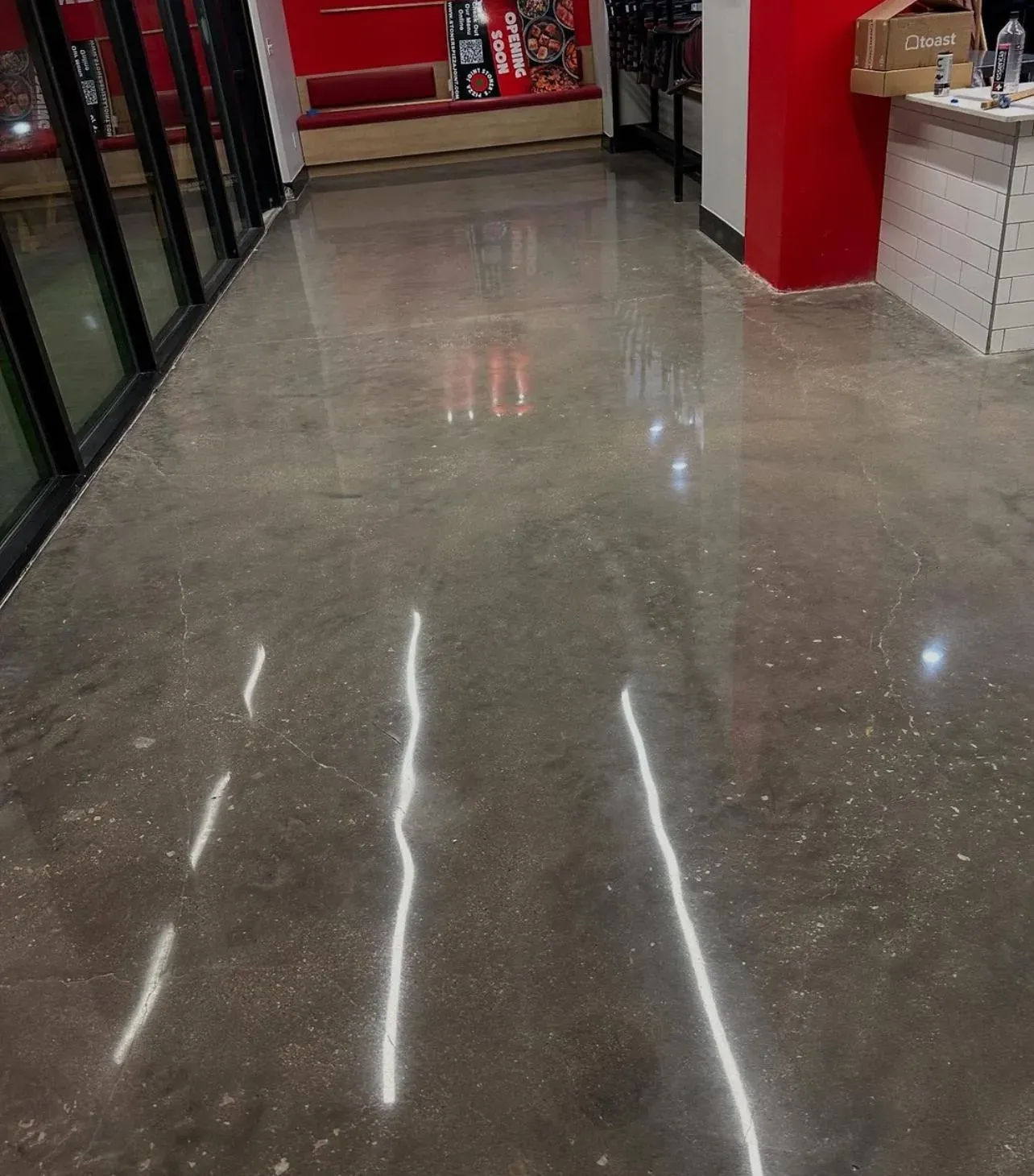
Concrete Polishing
Mechanically refining the slab you already have through progressive diamond grits. No coating on top — the finish is the concrete itself.
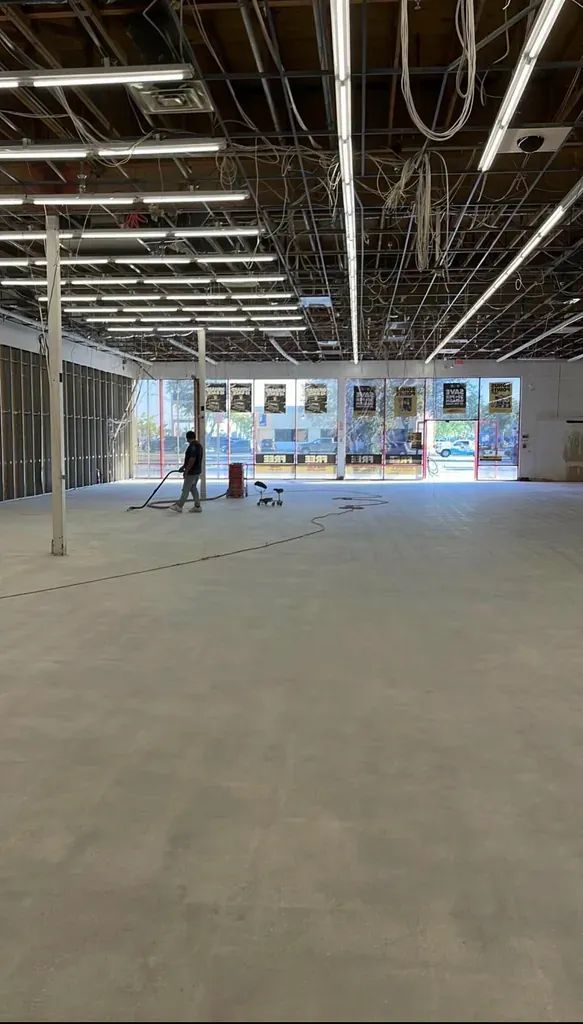
Concrete sealing
We clean, prepare and seal driveways, patios, pool areas, walkways and warehouse slabs across Florida, with the sealer that fits the surface, the sun and the traffic it gets.
Sealing concrete means applying a product that protects the slab against water, oil, salt and stains. The job starts with the surface: we clean it deeply, remove old sealer that is failing, and treat oil stains and efflorescence where there are any, because a sealer only protects what is under it. Then we choose the type of sealer. A penetrating sealer soaks into the concrete, does not change how it looks and is not slippery, so it suits driveways, walkways and pool areas. A film-forming sealer stays on the surface, gives a wet look or a sheen and brings out color, which suits patios, stamped or decorative concrete. We apply it in the right conditions, avoiding rain and surfaces that are too hot, and let it cure before traffic. Sealing does not repair cracks or replace a coating, but it is the lowest-cost way to protect a slab. We quote each job after seeing the surface.
The right sealer depends on what the surface needs and how it should look:
Concrete in Florida takes heavy rain, strong sun, salt air near the coast and, on driveways, oil and tires. Unsealed concrete absorbs water and whatever the water carries, which leads to stains, mold and, near the coast, damage from salt. A sealer slows all of that down.
It also helps the look last: sealed concrete stays cleaner, fades less and is easier to wash.
It depends on the sealer, the sun and the traffic. Penetrating sealers usually last longer than film-forming ones, and a driveway in full sun needs attention sooner than a covered patio. A simple test: if water no longer beads on the surface and soaks in, it is time to reseal.
Sealing protects a surface that is in good condition; it does not fix one that is not. It does not close structural cracks, level a slab or stop water that comes from below. If the concrete is damaged, it needs repair first. If you want color, grip and a floor that takes heavy traffic, a coating such as flake epoxy or a pool deck system is the better choice. And if the surface has to stop water from getting through, such as a balcony over a living space, that is waterproofing with a membrane, not a sealer.
Real jobs, photographed on site. No stock photos, no renders.
We work across Florida from our base in Weston. These cities have their own page:
Mechanically refining the slab you already have through progressive diamond grits. No coating on top — the finish is the concrete itself.
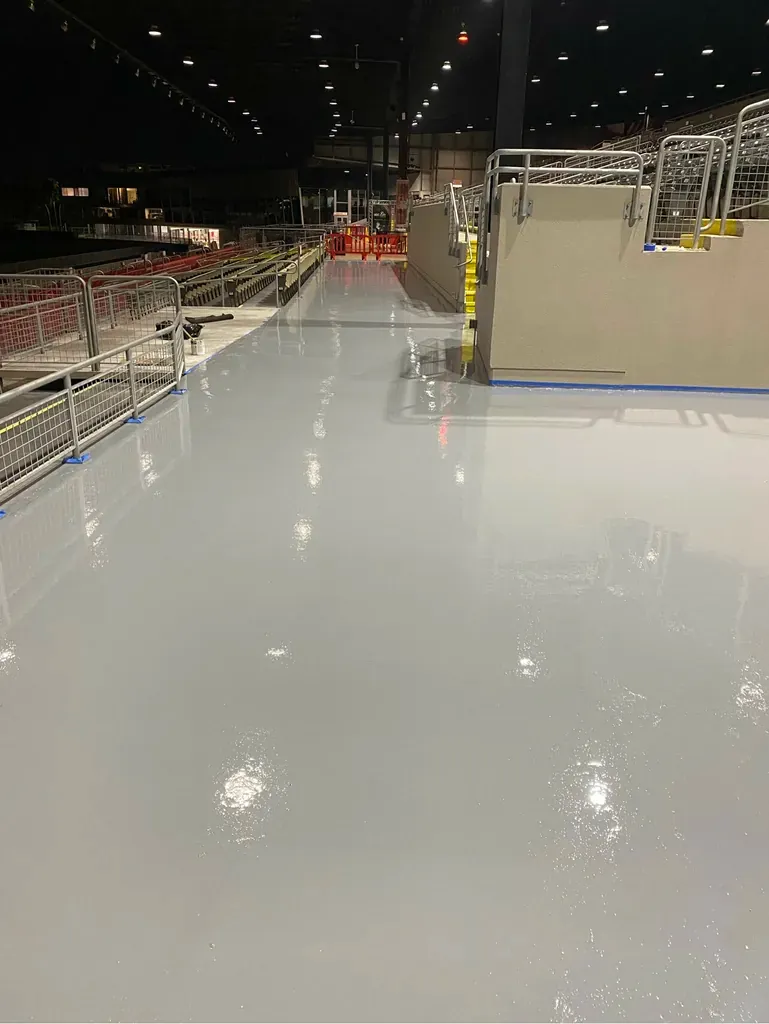
A textured coating for the concrete around a pool: cooler underfoot than bare slab, grippy when wet, and sealed against chlorine and sun.
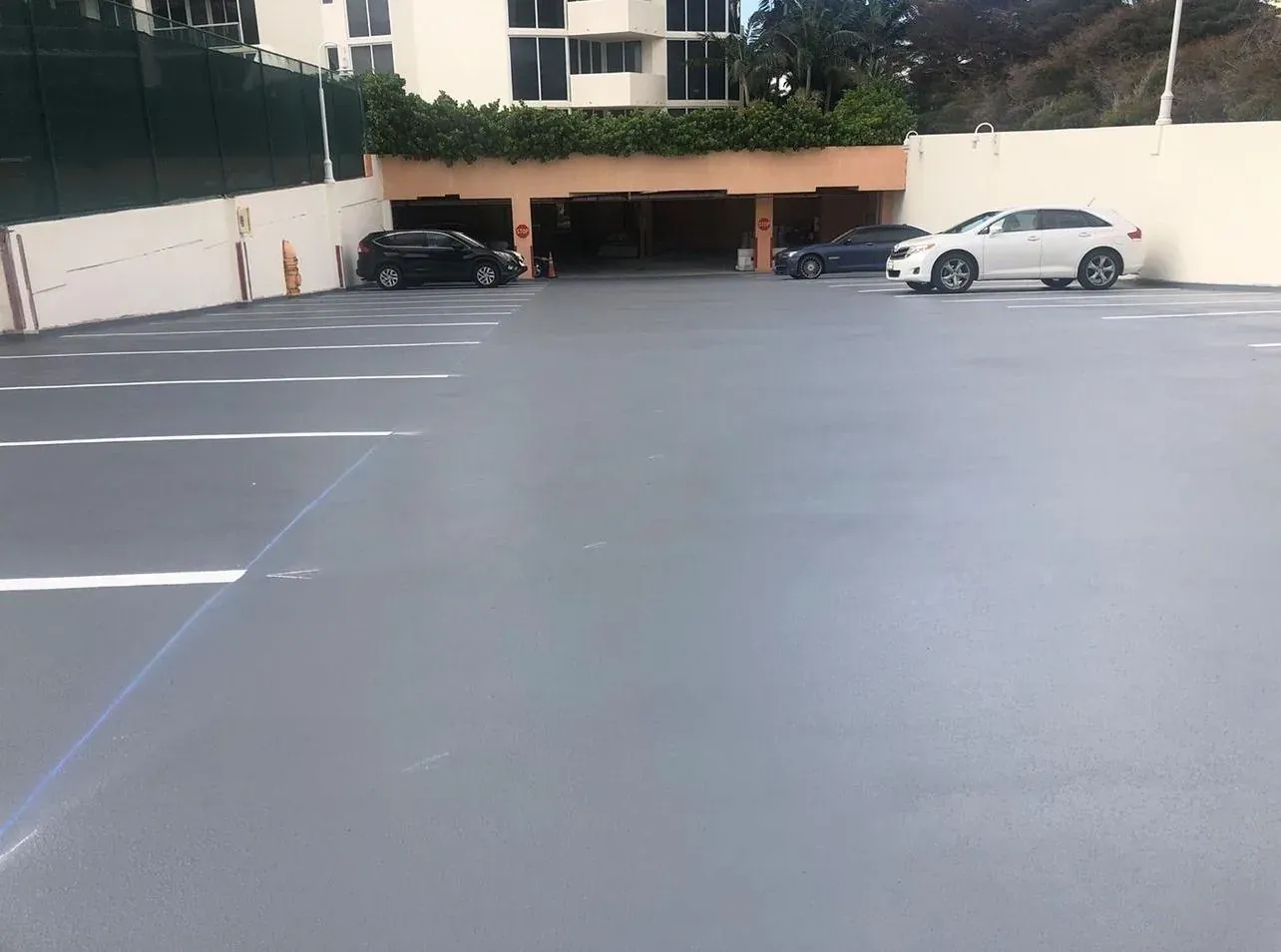
Membrane systems for balconies, terraces, walkways, pool decks and parking slabs: crack repair, primer, waterproofing membrane and a slip-resistant finish, chosen for the water exposure and the traffic the surface takes.
It depends on the sealer, the sun and the traffic. When water no longer beads on the surface and starts to soak in, it is time to reseal.
Film-forming sealers can be slippery when wet and wear with traffic, and any sealer applied on a dirty or damp surface can fail. Choosing the right type and preparing the surface avoids both.
Yes, but the timing matters. We avoid applying sealer on a surface that is too hot or when rain is coming, and we let it cure before cars go back on it.
A sealer protects the concrete itself against water and stains. Waterproofing uses a membrane to stop water from getting through a slab, for example a balcony or terrace over a living space.
It depends on the size of the area, its condition, the cleaning and repairs it needs and the type of sealer. We see the surface and give you a written quote.

Send us photos of the surface or book a free on-site visit. We check the concrete, recommend the right sealer and give you a written price before anything is scheduled.